Cornell Tech Campus
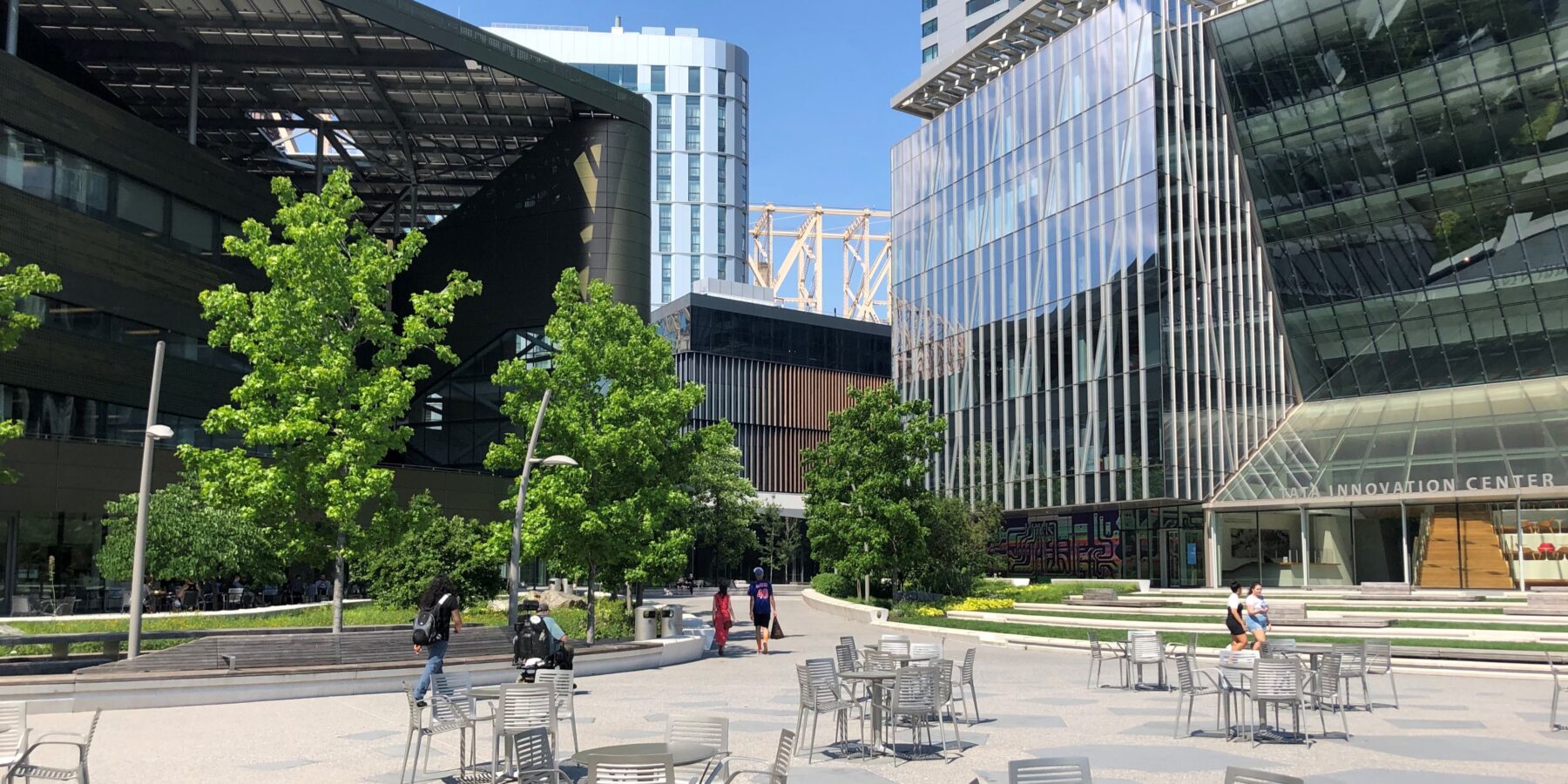
Over 100 tech startups have emerged from Cornell Tech's campus on Roosevelt Island.
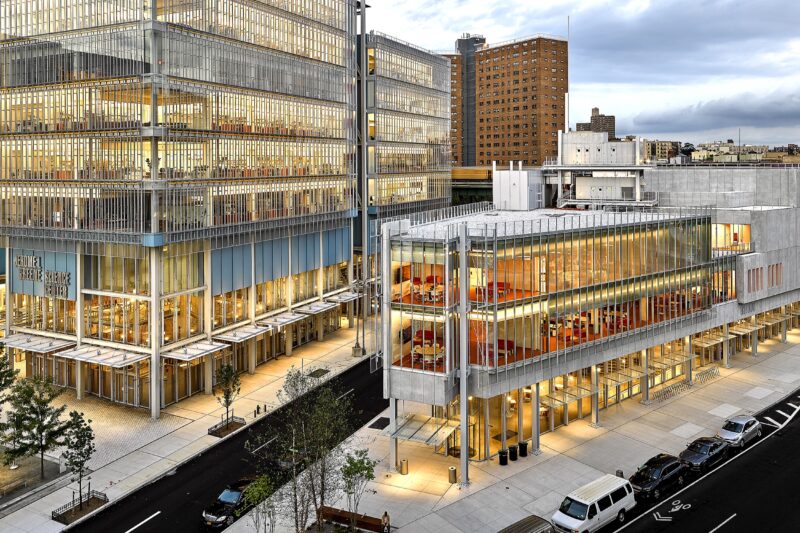
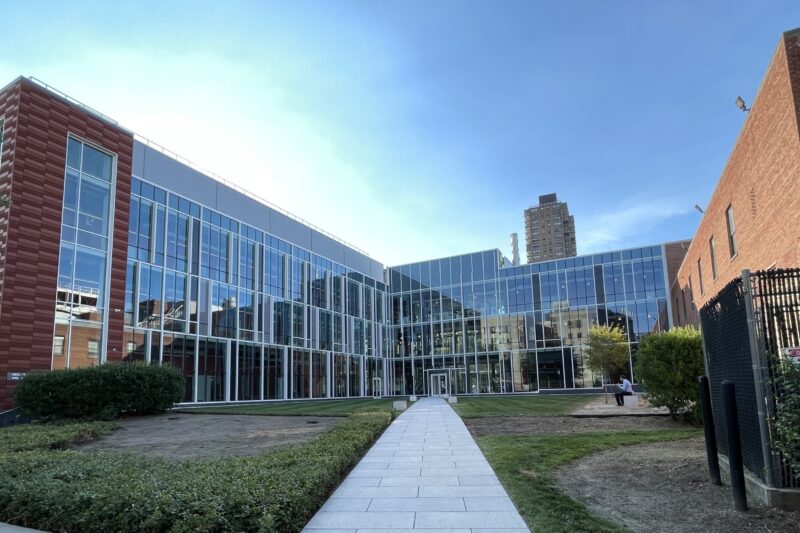
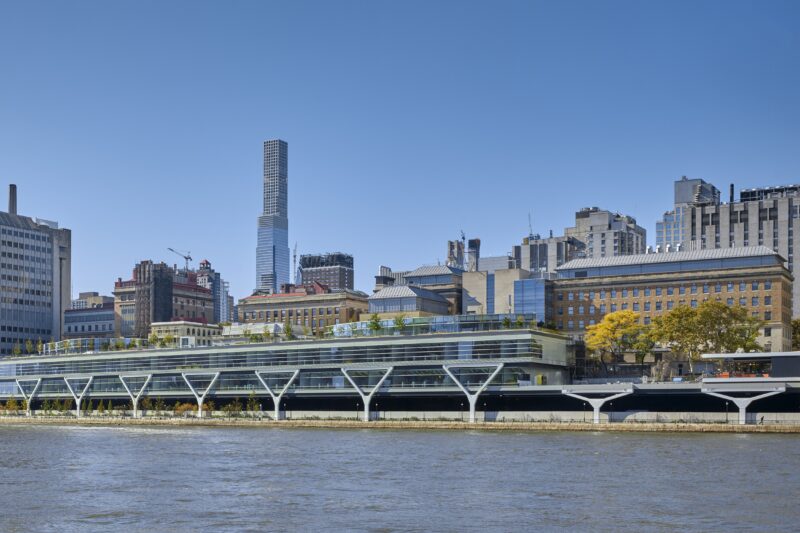
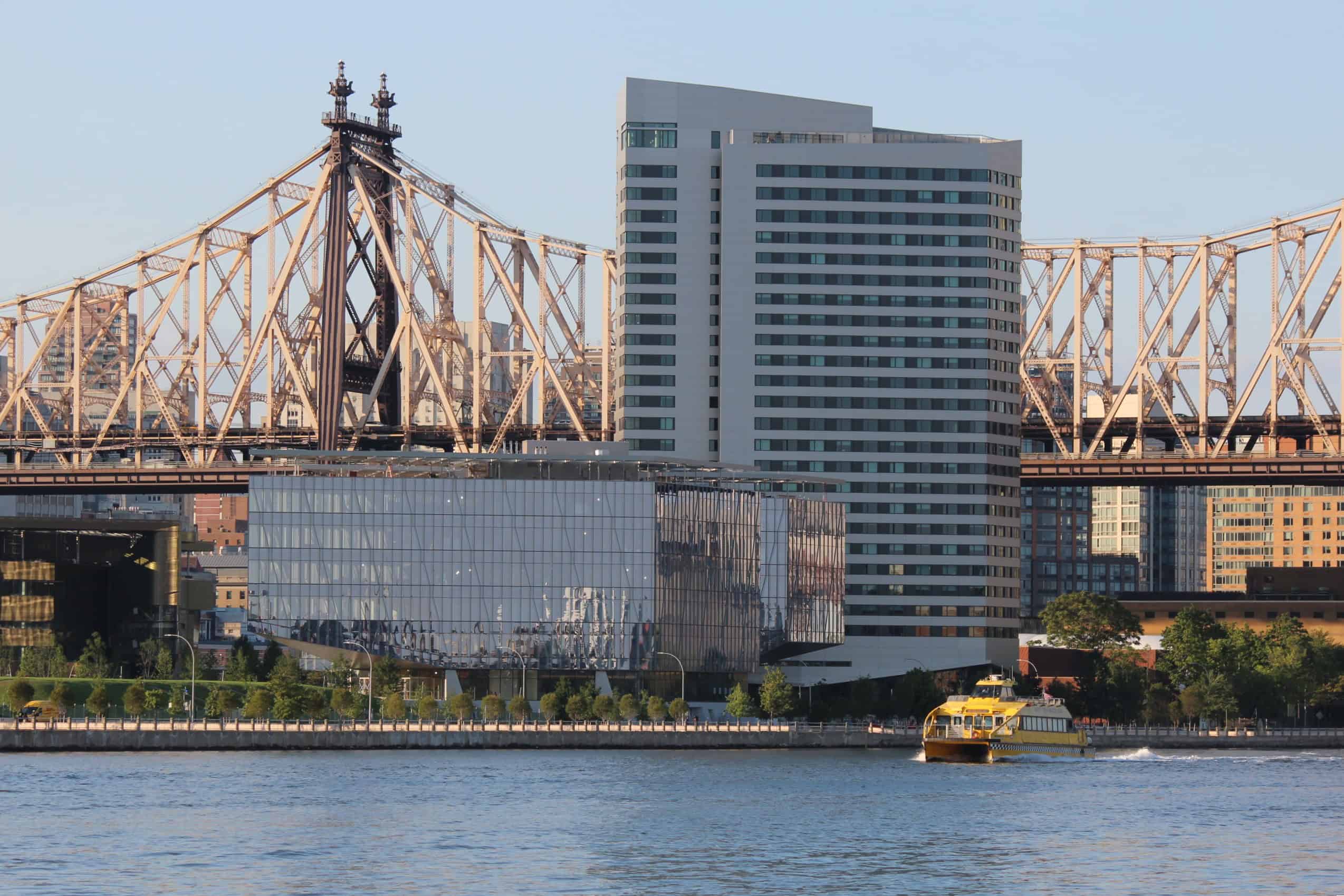
When Cornell University and the Technion-Israel Institute of Technology partnered to win the New York City-sponsored competition for an expansive applied sciences campus, AKRF played a pivotal role by delivering traffic engineering, civil engineering, and environmental planning services for the $2 billion, 2 million-square-foot project on Roosevelt Island. We also performed construction inspections for the project.
Design Honors
2020 ASLA Design Award of Merit
2020 AIA Honor Award for Regional & Urban Design
2019 ULI Global Award for Excellence
2019 Society of American Registered Architects Design Award of Honor
Supporting Site Selection
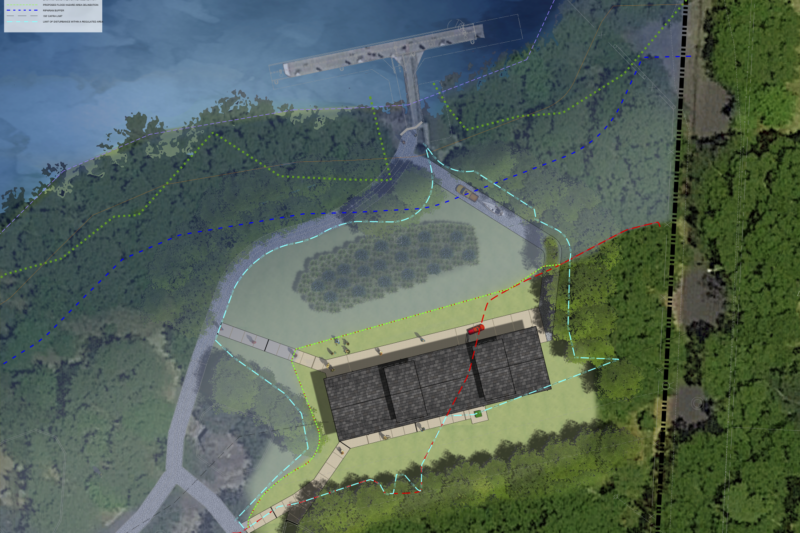
Prior to awarding the contract to Cornell-Technion, AKRF had conducted environmental site assessments and infrastructure assessments of three potential campus sites and provided design review support related to gas and electrical service coordination with Con Edison once Roosevelt Island was selected.
Transportation Planning & Environmental Review
After Cornell-Technion was selected, we led transportation planning studies, prepared an island-wide bicycle master plan, developed conceptual plans to construct a bicycle-only ramp to the Roosevelt Island Bridge, and completed a complex, fast-paced CEQR Environmental Impact Statement.
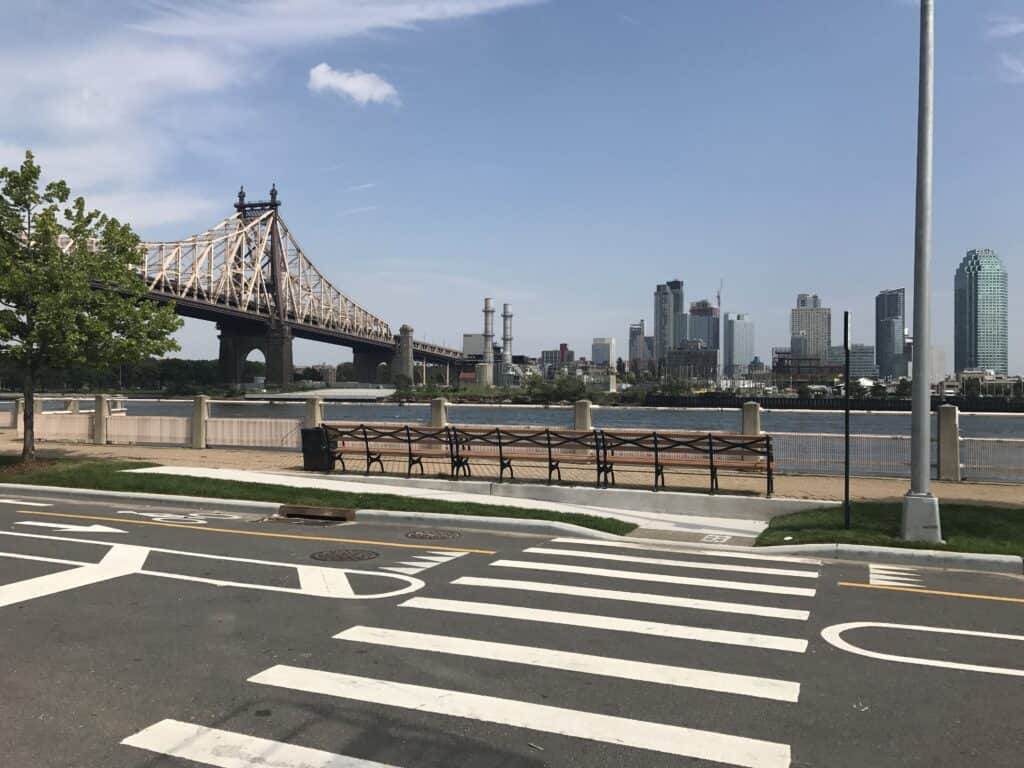
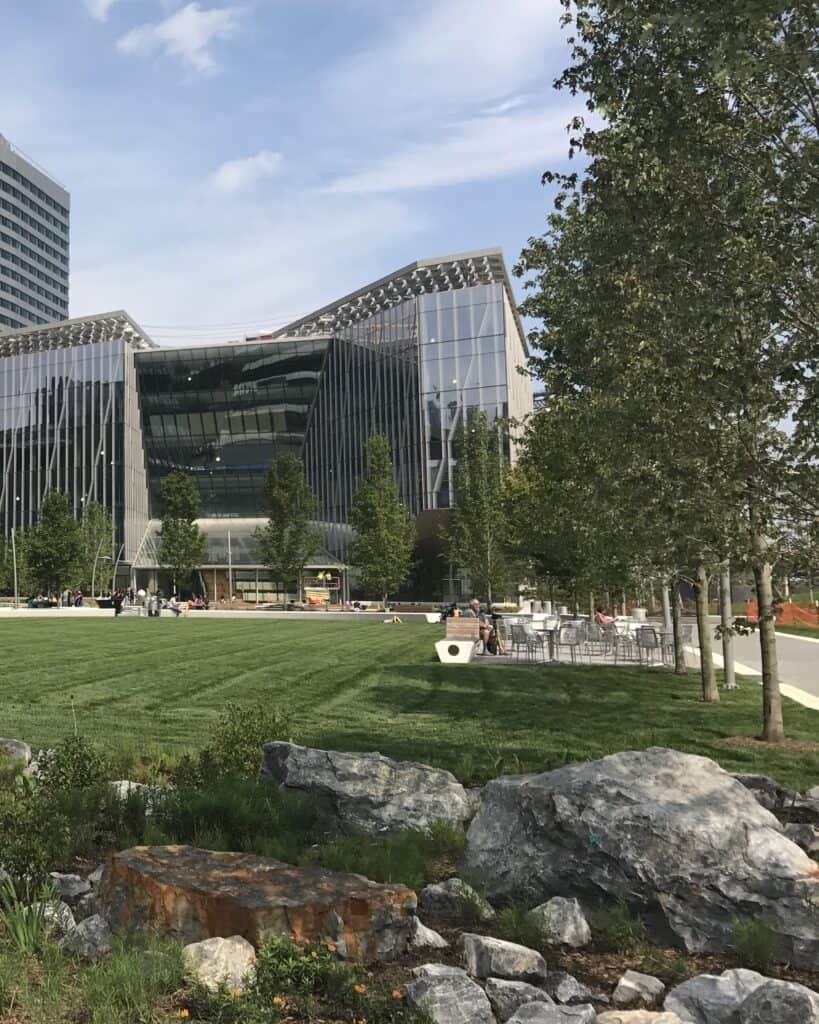
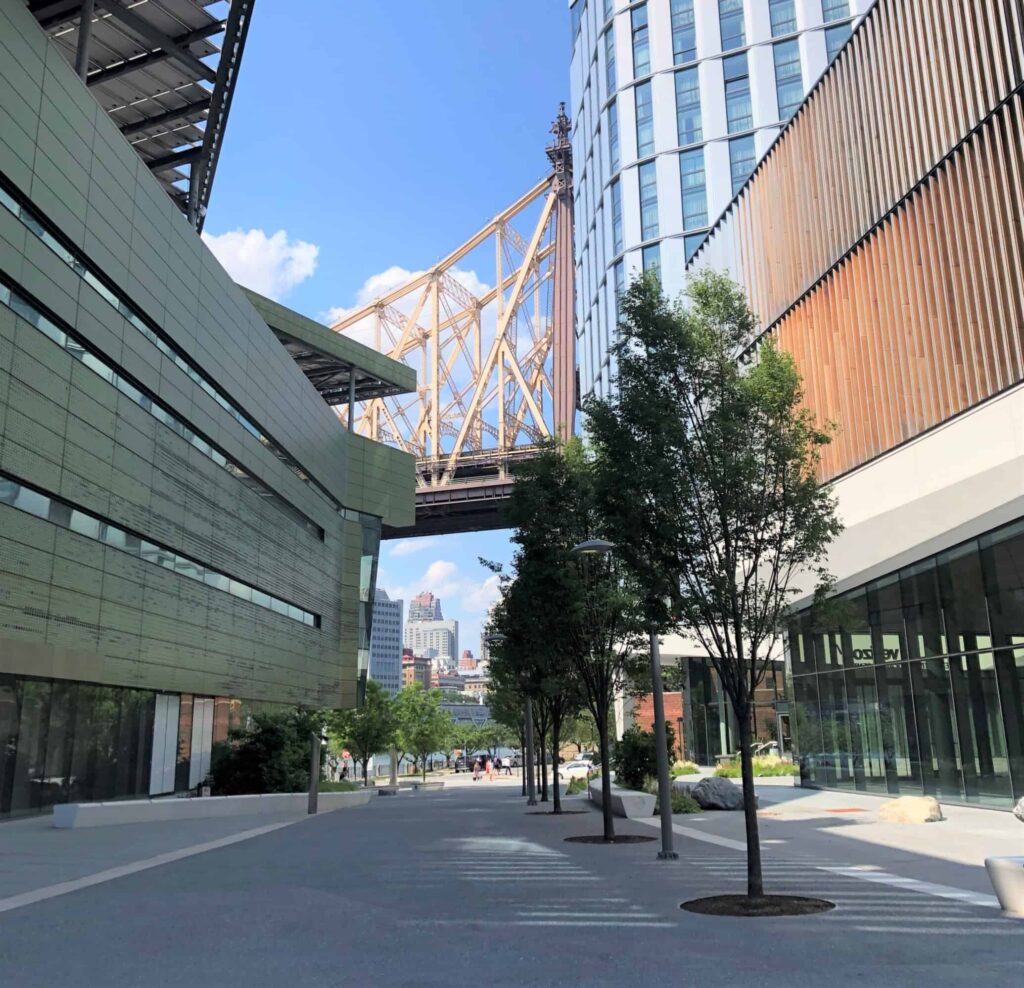
The campus development included construction of a new loop road connecting the campus to the existing public street system. The loop road serves diverse users including autos, bikes and the Roosevelt Island Red Bus. The development also includes an expansive pedestrian plaza known as the Tech Walk, which serves as its central spine.
“Cornell Tech is an investment in the future of New York City—a future that belongs to the generations to come, and the students here will help build it.”
ULURP & Civil Engineering
AKRF prepared the Uniform Land Use Review Procedure application and map change drawings to establish the new loop road on the city map. We also prepared final design drawings for the road including new sanitary and storm sewers, water mains, and electric and gas utilities and provided resident engineering and construction inspection services for the roadways and utilities.
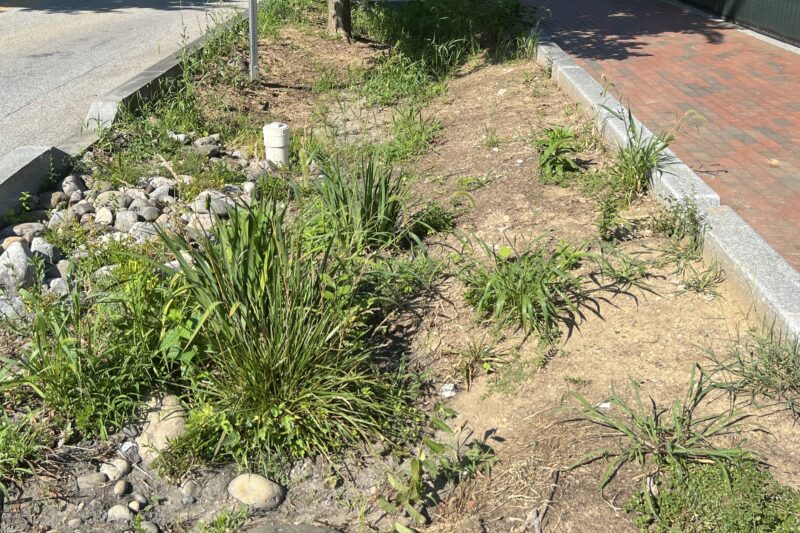
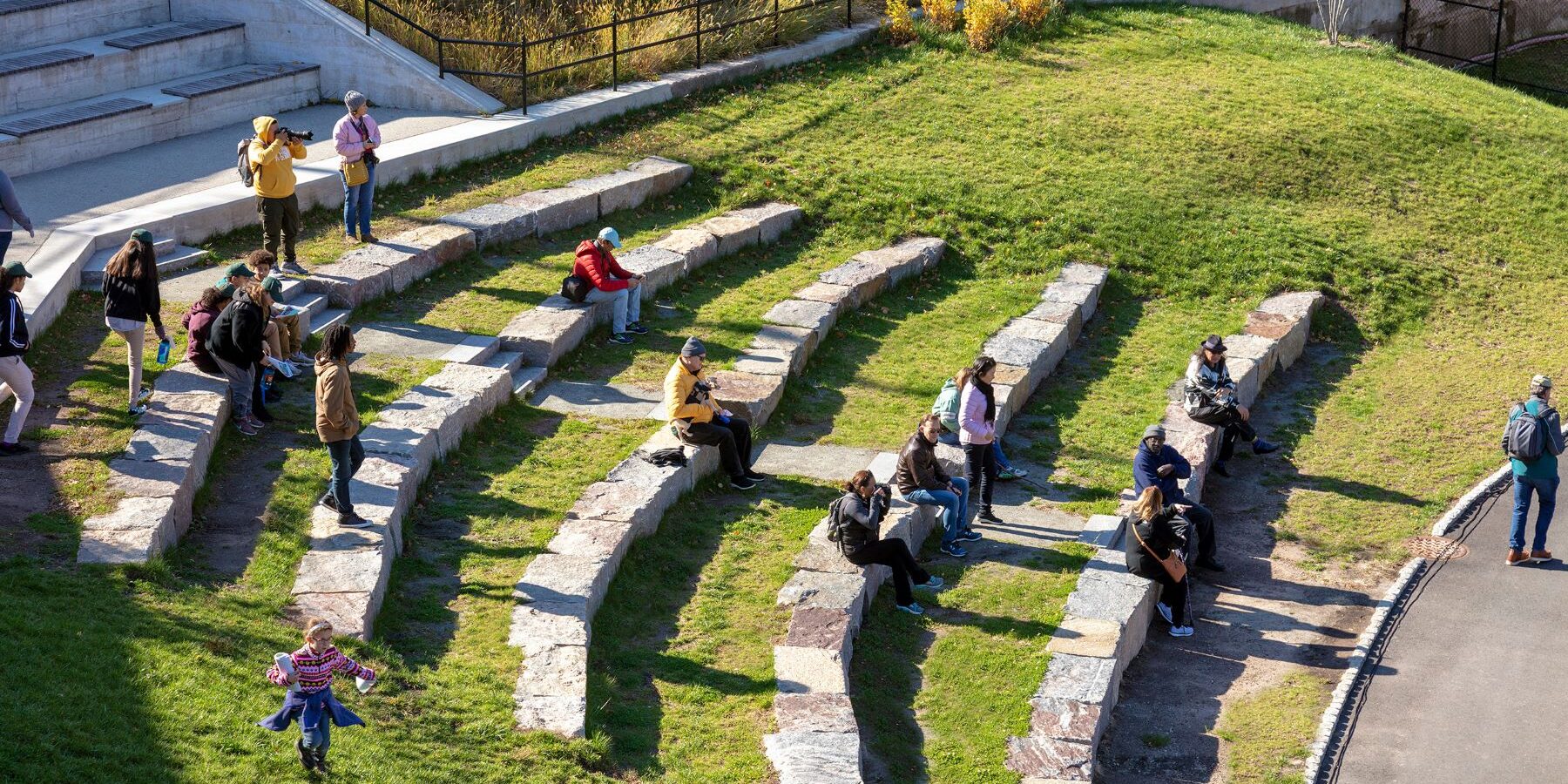
We were responsible for on-site grading and drainage design and stormwater management. The campus is a model for sustainable development which includes an on-site stormwater retention system as well as permeable pavers, biofiltration gardens, and other resiliency measures.
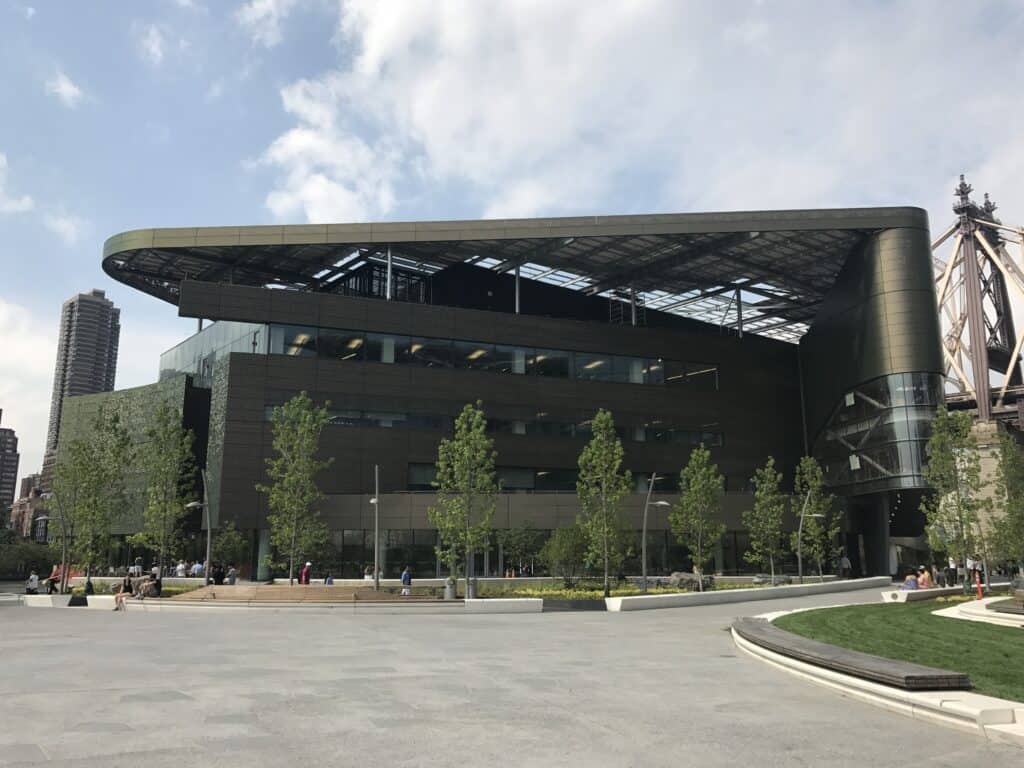
AKRF provided civil engineering for each of the individual buildings in the first phase of development, including the net-zero Emma and Georgina Bloomberg Center.
Featured Team Members
Matthew T. Carmody, PE, RSP1
Vice President, Traffic and Transportation

Sue McCoy, PE
Senior Vice President, Civil Engineering

Kenny Mui, LEED AP
Vice President, Construction Analysis

Amy Crader, AICP
Vice President, Cultural Resources

Sandy Collins
Senior Vice President, Natural Resources and Permitting
Chi Chan
Vice President, Traffic and Transportation